



شرائط مدرفلة
What’s Really New in Tandem Cold Rolling: Notes from the Shop Floor I’ve been around mills long enough to know hype when I hear it. This tandem cold mill from YWLX in Beijing caught my eye for practical reasons: five stands, double tension reels, a flying shear, and a magnetic conveyor belt—stuff operators actually care about. It’s designed for big reductions with continuous threading, targeting wide steel strip and galvanizing base plate production. Origin-wise, yes, it’s from No.1518, LAR Valley Int’l, Guangwai Avenue, Xicheng District, Beijing, 100055—worth noting for traceability and site audits. Why this tandem cold mill matters now Steel buyers are fussier about flatness and thickness scatter than ever. Automotive and appliance lines want consistent ± microns, not “close enough.” YWLX’s control stack—AGC/HAGC, AFC with shapemeter rolls, inter-stand tension control, work roll bending—feels modern but not overcomplicated. To be honest, that balance is rare. Typical specs (real-world use may vary) Configuration Five-stand TCM, double tension reels, flying shear, magnetic conveyor Entry/Exit Thickness ≈ 1.5–4.0 mm to around 0.15–1.2 mm Width 700–1,850 mm (customizable) Max Line Speed ≈ 1,000–1,200 m/min Total Reduction Up to 85% depending on grade/lube Thickness Tolerance ±6–12 μm at exit (grade and speed dependent) Flatness ≤ 10 I-units typical (AFC engaged) Coil Weight Up to ~35 t Process flow, materials, and testing Hot-rolled pickled coil → entry tension reel → welder/strip accumulator → 5-stand reduction with emulsion lubrication → flying shear cut-to-length or coil head/tail trim → double tension reels → off-line inspection → downstream (often continuous galvanizing). Materials: low-carbon deep-draw, IF, bake-hardening, some HSLA. Testing: inline X-ray thickness, shapemeter, surface roughness (ISO 4287); tensile per ISO 6892-1/GB/T 228.1, Erichsen cupping (ISO 20482), and certificate EN 10204 3.1 when required. Where it’s used Automotive body and structural, home appliances, construction panels, tubing stock, and—as many customers say—“galv base” where flatness is king. The tandem cold mill format is ideal when you need high yield with low conversion cost. Vendor snapshot (quick comparison) Criteria YWLX Five-Stand Vendor A Vendor B Control Suite AGC/AFC, inter-stand tension, roll bending AGC basic, optional AFC AGC/AFC with premium options Capex Lower-to-mid Mid High Commissioning Time Fast track available Standard Longer (complex) After-Sales 24/7 remote + on-site Working hours Contract-based Customization and lifecycle Options include wider strip packages, advanced AFC models, electrolytic cleaning, fume/oil mist capture upgrades, and lube chemistry tuning. Service life: bearings and gearboxes are designed for multi-year campaigns; typical work-roll campaigns run 6–24 hours per grade window, backup rolls last far longer. Preventive maintenance intervals are set by tonnage and vibration signatures—pretty standard but crucial. What users report (informal, but telling) One Southeast Asian galvanizer told me their tandem cold mill upgrade trimmed gauge scatter enough to lift coat weight stability downstream. Another appliance sheet producer claimed around 3–5% yield gain thanks to fewer threading breaks—helped by the double tension reels and that surprisingly effective magnetic conveyor. Take it with a pinch of salt, but the anecdotes keep coming. Compliance, data, and standards Typical certifications requested: ISO 9001 and IATF 16949 for automotive supply chains. Output commonly checked against EN 10130 for cold-rolled low-carbon sheet. Mechanical tests per ISO 6892-1; cupping per ISO 20482; roughness via ISO 4287. Material certs often issued to EN 10204 3.1. References ISO 6892-1: Metallic materials—Tensile testing—Part 1. https://www.iso.org/standard/78322.html ASTM A568/A568M: General Requirements for Steel Sheet. https://www.astm.org/a0568_a0568m-19.html EN 10130: Cold rolled low carbon steel flat products. https://standards.iteh.ai/catalog/standards/cen/e0e6e1d4-8a6d-4b4d-9ea0-314d4de09a7e/en-10130-2006 ISO 20482: Metallic materials—Sheet and strip—Erichsen cupping test. https://www.iso.org/standard/42887.html IATF 16949: Automotive QMS. https://www.iatfglobal.org/iatf-16949/ ISO 9001: Quality management systems. https://www.iso.org/iso-9001-quality-management.html

We have successfully executed over 500
projects around the world,
many first-of-their-kind
research projects and products in China, including
We have successfully executed over 500
projects around the world,
many first-of-their-kind
research projects and products in China, including
-
2004
The 1st hydraulic AGC system for hot rolling of ribbon steel
-
2006
The 1st AFC system used for 1450mm skin pass mill
-
2009
The 1st 5-stand tandem line with 2-stand POR & Uncoiler for 650mm ribbon steel
-
2012
The 1st reversing mill for 1380mm strip
-
2016
The 1st soft-rolling system used in skin pass mill
-
2019
The 1st fully automated medium-width tandem cold rolling mill
-
2021
The 1st 5000KN Twin-stand double skin pass mill
-
2022
The 1st coupled pickling line & tandem cold mill with two modes - big roller & small roller
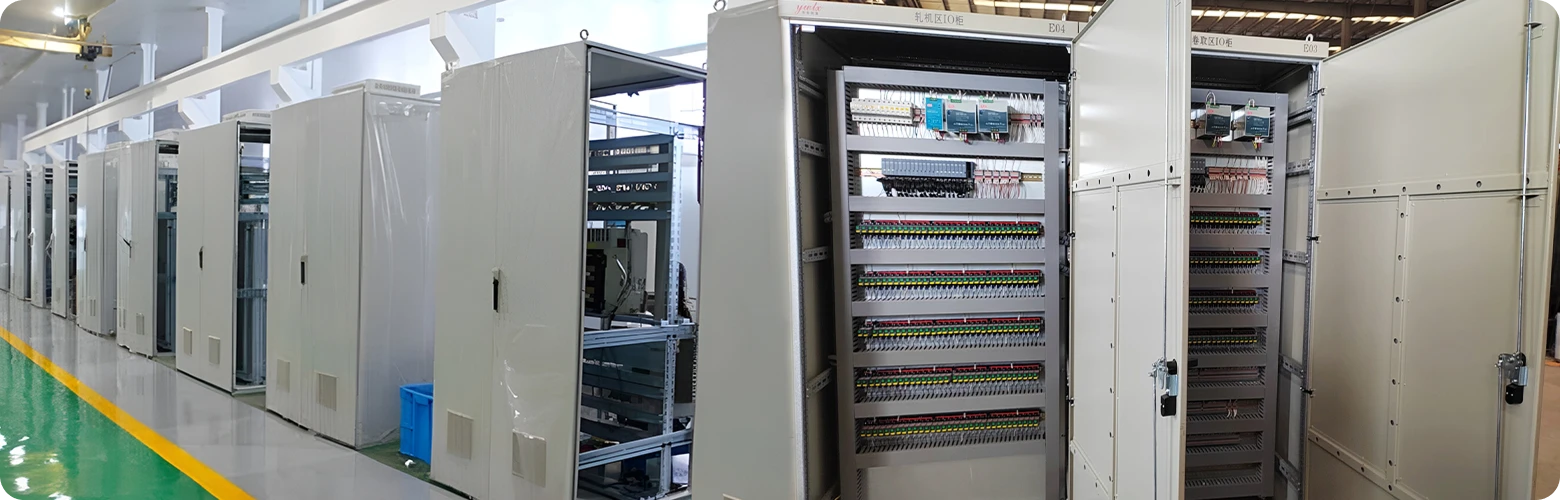
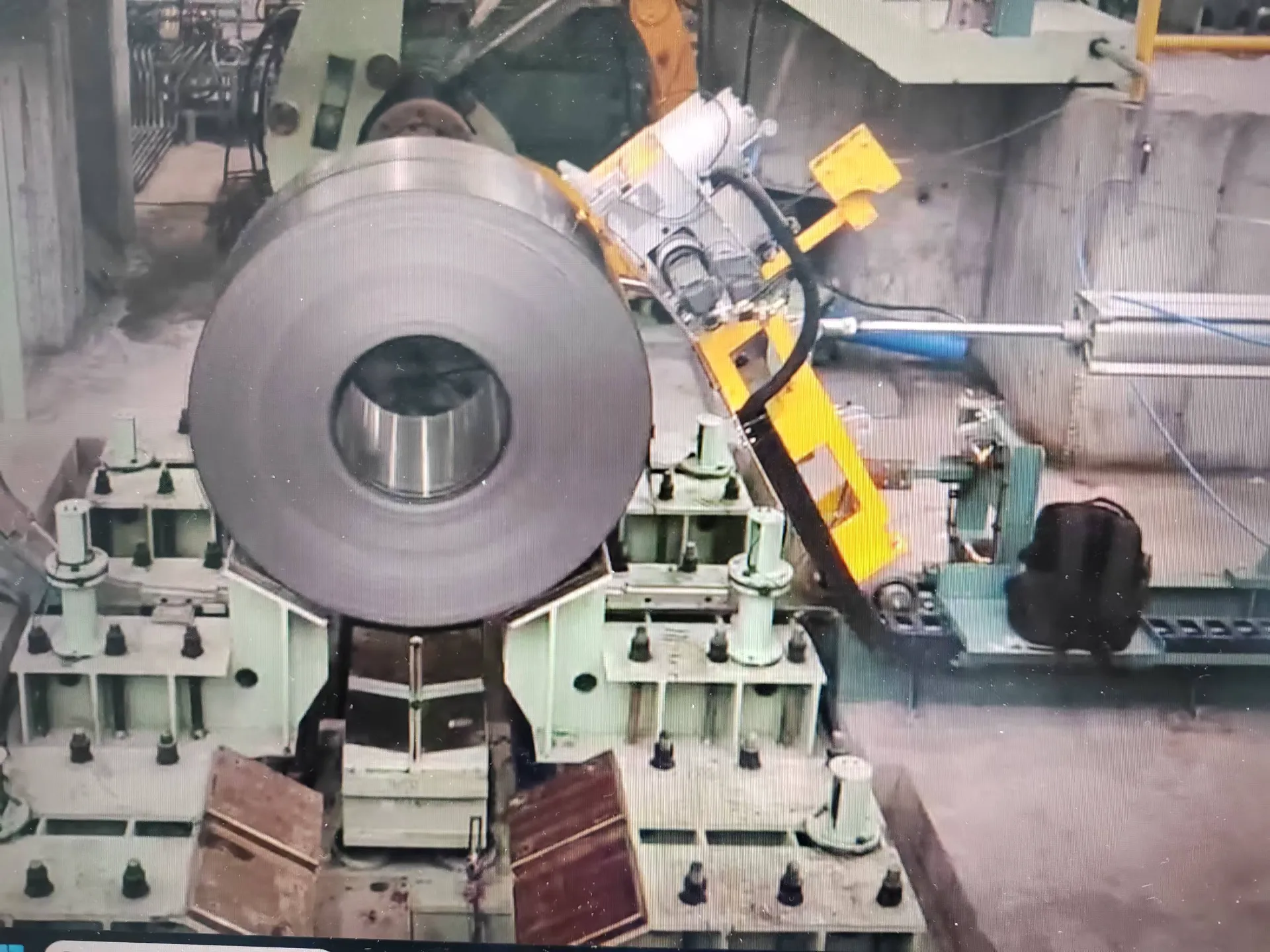
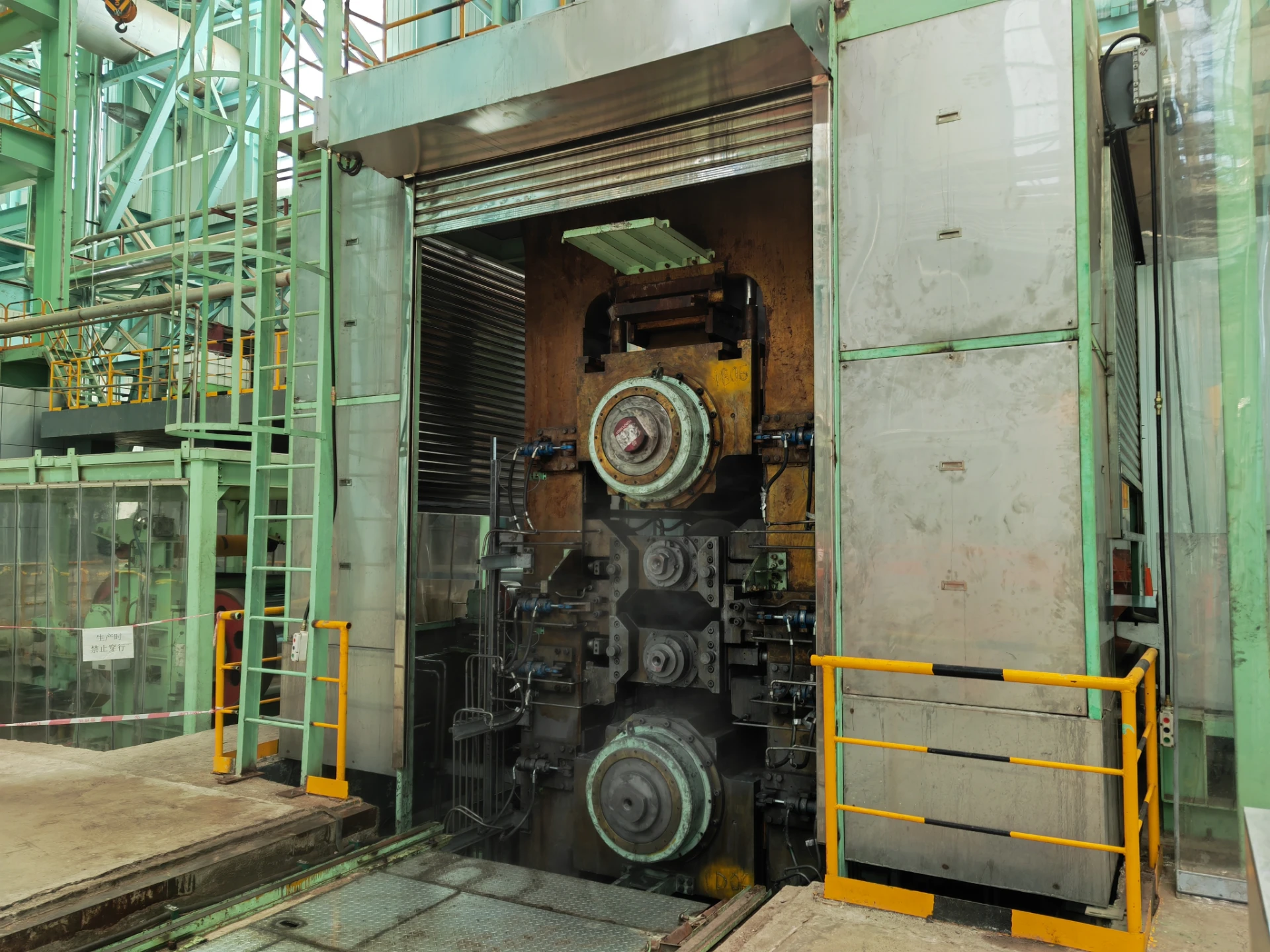
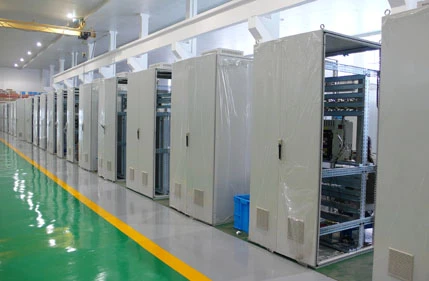
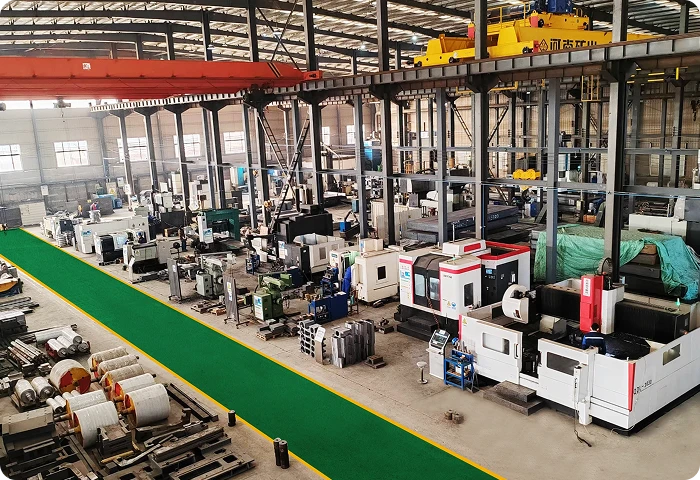
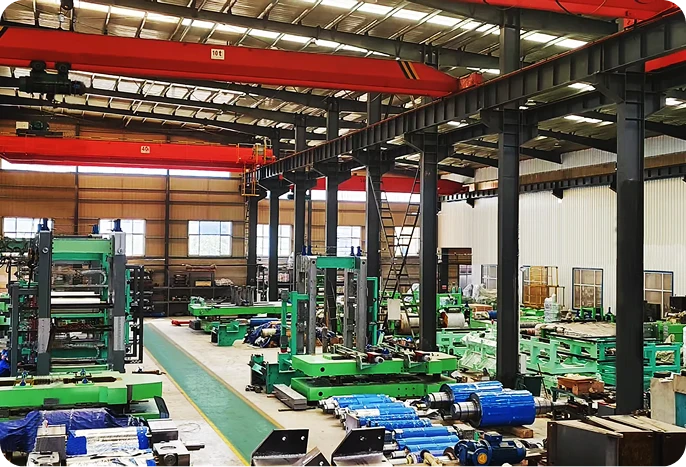
Yang Wang Li Xin operates a state-of-the-art facility over 66,000 square meters,and our manufacturing facility is fully equipped with high-tech machinery and high-capacity cranes. This enables us to handle large work pieces measuring 4.5m in width, 10m in length, and 1.5m in height, guaranteeing our capacity to produce 1800mm skin-pass mills and 1450mm rolling mills. The individual piece can weigh up to 100 tons.


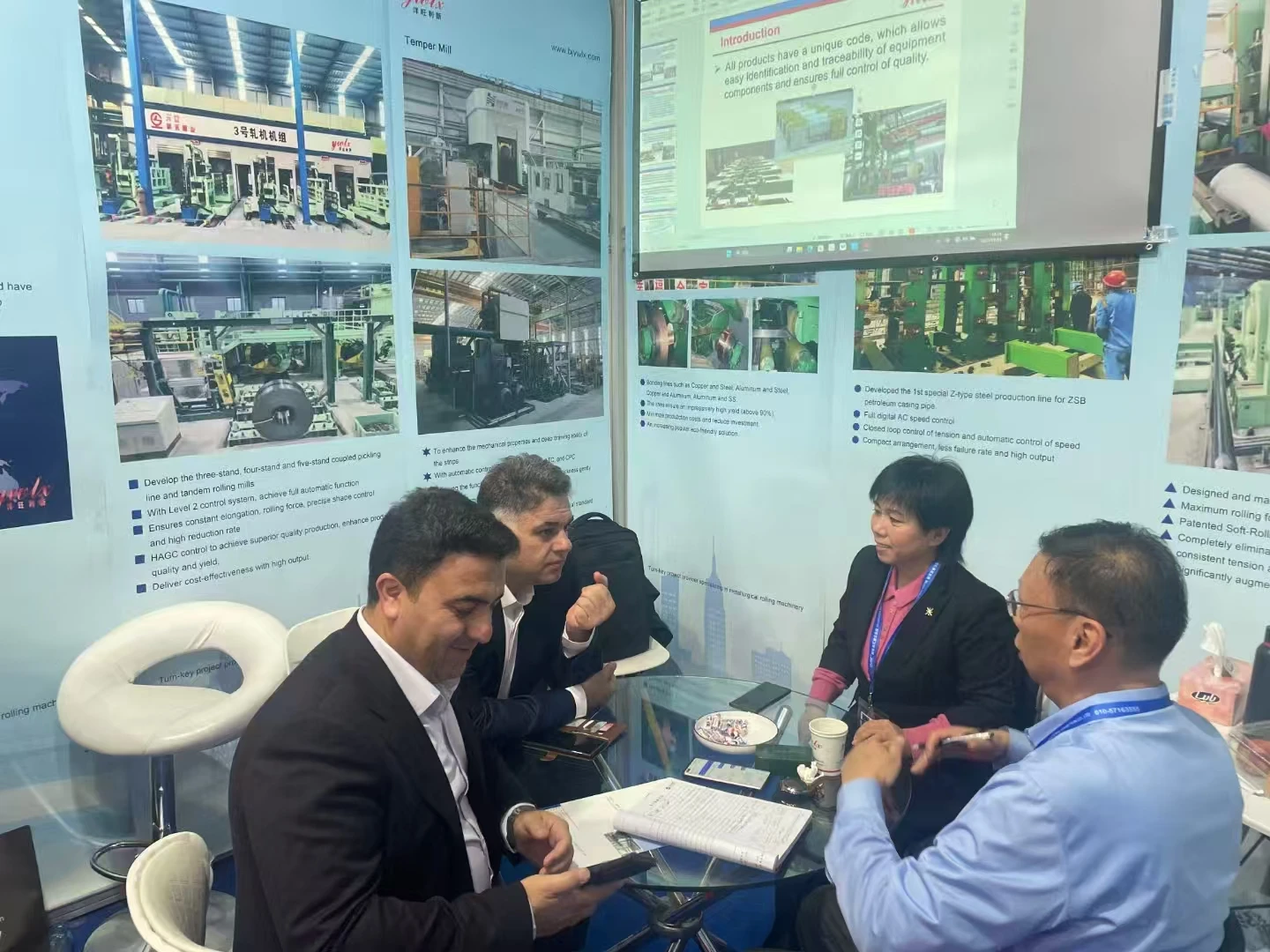
Quality is fundamental to the enterprise survival. We have established a comprehensive and meticulous quality management system and have successfully obtained ISO14000 certification. Starting from the design source, it supervises the entire production cycle, including design, procurement, processing, assembly, in-factory testing, installation, and online commissioning. The workshop is equipped with measuring tools like vernier calipers, spectrometers, hardness testers, and ultrasonic flaw detectors. They are used to check materials and control tolerances to ensure the final equipment meets or exceeds requirements. All products have a unique code, This enables the easy identification and traceability of the equipment components and ensures full control of quality.


-
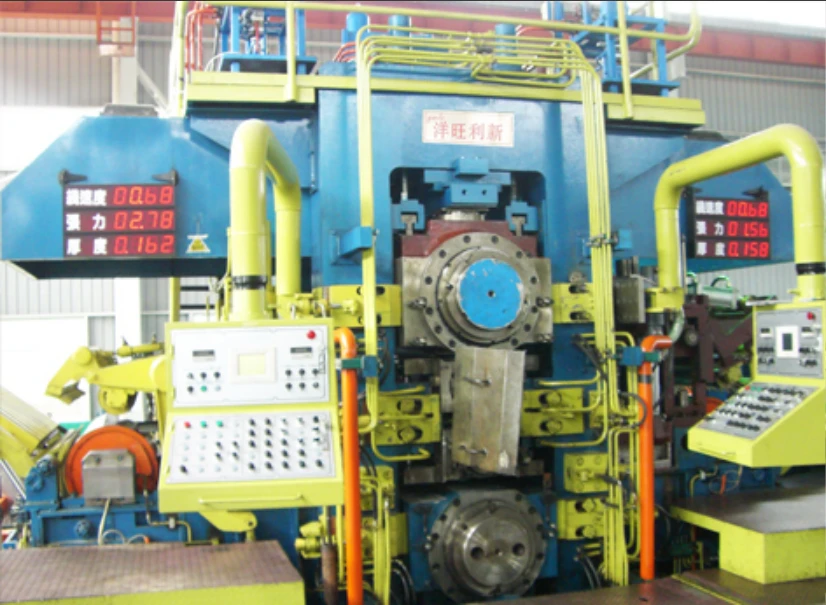 High-Precision Temper Rolling Mill for Superior Steel QualityCompany: Beijing Yang Wang Li Xin Sci&Tech Co.,Ltd. Official Website: https://www.bjywlx.com Contact Information: Tel: +86 10-63324628 | Mobile: +86 18630169310 Email: Alley.wang@bjywlx.com Address: No.1518, LAR Valley Int'l, Guangwai Avenue, Xicheng District, Beijing, 100055 Introduction: The Significance of Temper Rolling Mill in Steel Manufacturing In the dynamic landscape of steel production,
 -
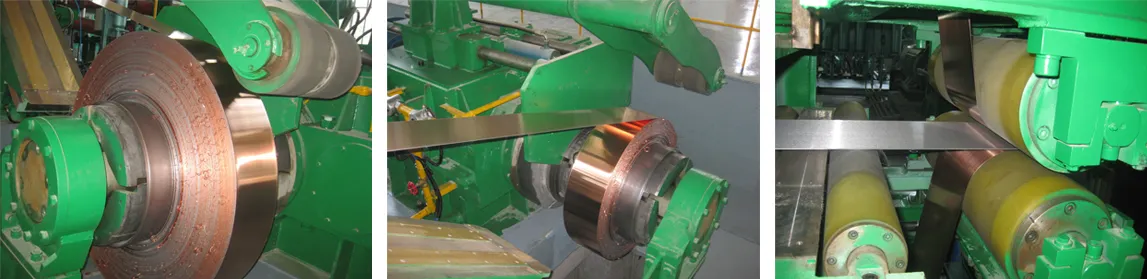 آسیاب های نورد برای فروشFinding the perfect rolling mill for sale can be a transformative investment for any business seeking to enhance its manufacturing capabilities. With a rich history in metal processing, rolling mills are essential for reducing thickness, enhancing strength, and improving the surface quality of materials. Here's a comprehensive guide based on real-life experiences and expert insights to help you na
 -
 آسیاب نورد یکپارچهThe integrated rolling mill is increasingly becoming a pivotal technology in the industrial sector, capturing attention for its capability to enhance production efficiency and product quality. Drawing on extensive experience with integrated rolling mill systems, we delve into the operational nuances, technical specifics, and business advantages that make this equipment a critical asset for metal m


